All Categories
Featured
Table of Contents
Capital flows into the GCC have been on the rise over the last couple of years. Recently, foreign direct investment Gulf reached an all-time high as federal governments went complete steam ahead with their facilities, clean energy, transport passages, and advanced manufacturing zone tasks. This also reflects broader foreign financial investment patterns in Gulf region 2026.
Just by their moves, they have actually become a beacon for worldwide financiers seeing that the region is dedicated to long-lasting economic improvement. A lot of these programs connect directly to major Gulf infrastructure tasks. These brand-new industries, far from oil, can be next to none in terms of returns for those venturing into them with a long-lasting view and exploring Gulf financial investment chances that continue to broaden in scope.
Barely any growth comes without its own set of problems. The Gulf economies 2026 are still oil-dependent and susceptible to market fluctuations.
This is a location where GCC diversity influence on financiers 2026 ends up being more visible. Diversification also differs from one part of the area to another. The huge economies like Saudi Arabia and the UAE are advancing quickly, whereas the little members of the GCC may still be at the starting point.
Besides, the investor's picture is not complete without taking into account the issues of geopolitical unpredictability and global macroeconomic shifts. The trade wars, energy transitions, and modifications in global need can influence capital flows into and out of the Gulf. This ties carefully to geopolitical threats Gulf, which are never ever far from strategic assessments.
Driving Industrial Success via Strategic Diversification
These are the genuine growth chauffeurs that are emerging, and they are electrifying websites for the financiers who prefer to be exposed to non-hydrocarbon activities. These advancements feed into broader Middle East economic patterns 2026 and shape what investors ought to enjoy in Gulf economies 2026. Changes in policy regarding foreign ownership, investment rewards, and trade guidelines will be the main elements that influence the organization environment.
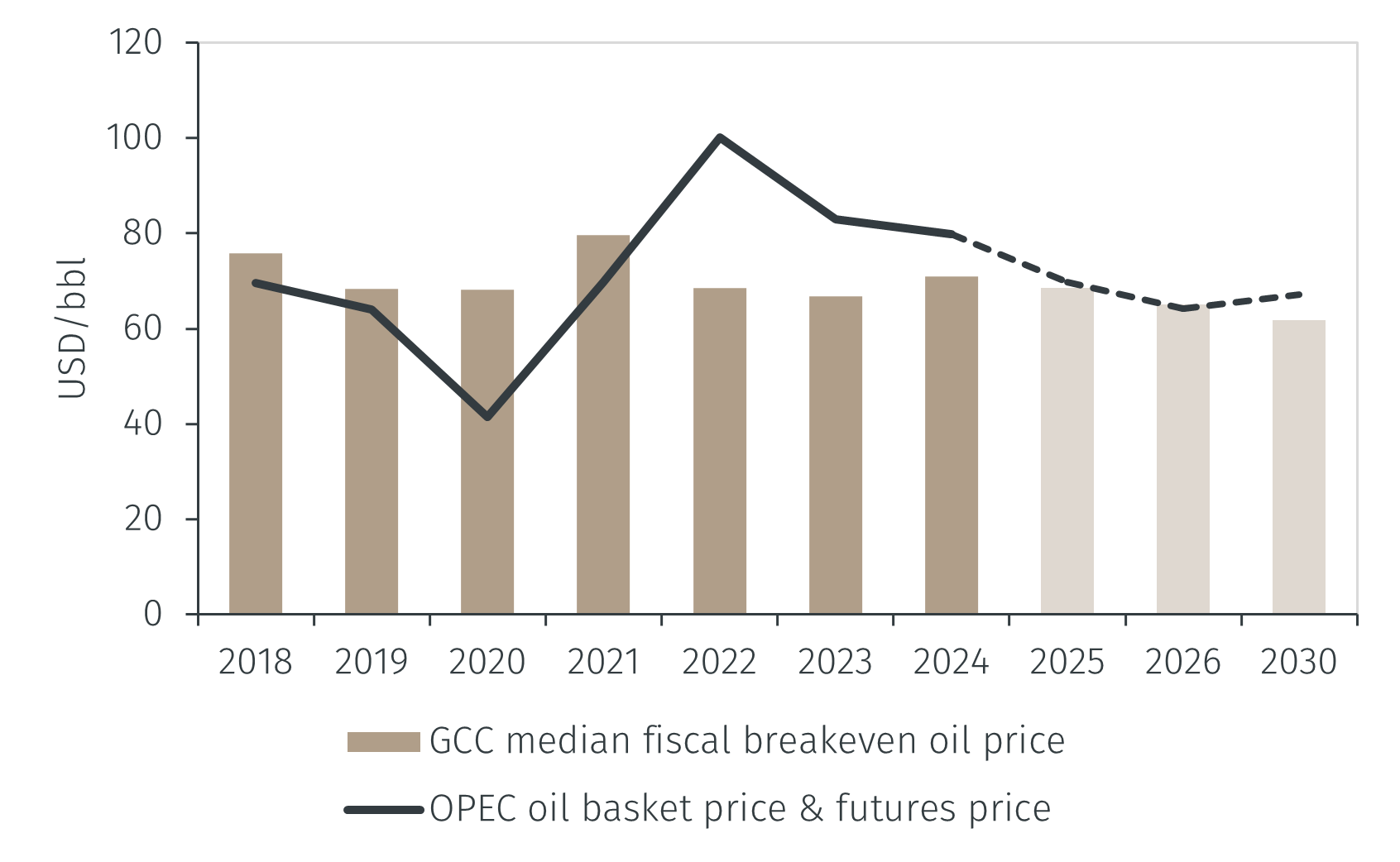
Oil stays a crucial earnings source for numerous Gulf states. Steady currencies are one of the main features of numerous Gulf economies 2026.
Maximizing Dividends: The Strategic Advantage of Emirates Property FundsThe area, which was primarily depending on oil incomes, is now slowly transforming into a varied financial landscape with numerous engines of growth. The GCC financial outlook is bright due to the expansion of non-oil sectors, constant reform efforts, and increasing foreign financial investment. This is supported by steady foreign investment trends in Gulf area 2026.
The threats have not vanished, sensible decision making will help bring to light the strong potential for returns linked to growing Gulf investment chances. Read More Blog Site: Click Here.
RIYADH: Economies throughout the Gulf Cooperation Council are forecast to grow 4.4 percent in 2026, speeding up to 4.6 percent in 2027, driven by increasing non-oil activity in nations consisting of Saudi Arabia, according to an analysis. In its International Economic Potential customers report, the World Bank said the Kingdom's real gdp is predicted to grow 4.3 percent in 2026 and 4.4 percent in 2027, up from an expected 3.8 percent in 2025.
Evaluating GCC Market Potential for 2026
The World Bank's latest forecast broadly aligns with the International Monetary Fund's October outlook, which forecasts Saudi Arabia's GDP to grow by about 4 percent in both 2025 and 2026. Broadening the non-oil sector remains a core goal of Saudi Arabia's Vision 2030 program, as the Kingdom continues efforts to lower its long-standing reliance on crude incomes.
The region, which was mainly reliant on oil revenues, is now gradually transforming into a varied financial landscape with numerous engines of development. The GCC financial outlook is bright due to the expansion of non-oil sectors, continuous reform efforts, and increasing foreign financial investment. This is supported by constant foreign financial investment trends in Gulf region 2026.

Although the threats have not vanished, sensible decision making will help bring to light the strong capacity for returns linked to growing Gulf financial investment chances. Find out more BLog: Click on this link.
RIYADH: Economies throughout the Gulf Cooperation Council are forecast to grow 4.4 percent in 2026, speeding up to 4.6 percent in 2027, driven by rising non-oil activity in countries consisting of Saudi Arabia, according to an analysis. In its Global Economic Potential customers report, the World Bank said the Kingdom's genuine gross domestic product is forecasted to grow 4.3 percent in 2026 and 4.4 percent in 2027, up from an expected 3.8 percent in 2025.

Optimizing Wealth Diversification for a 2026 Economy
The World Bank's latest forecast broadly lines up with the International Monetary Fund's October outlook, which forecasts Saudi Arabia's GDP to grow by about 4 percent in both 2025 and 2026. Broadening the non-oil sector remains a core objective of Saudi Arabia's Vision 2030 agenda, as the Kingdom continues efforts to lower its enduring reliance on unrefined profits.

Latest Posts
Roadmap to Gulf Financial Market Trends in 2026
The Role of Capital on GCC Economic Development
Top Foreign Investment Prospects for the GCC Market